
Quick answer: The PGA Tour suspended Trey Mullinax for six months after he tested positive for performance-enhancing substances under its anti-doping program. Mullinax said a medication for a condition diagnosed in college caused the result and acknowledged that he used it without seeking approval. The Tour did not publicly identify the substance, condition or medication. He is eligible to return January 16, 2027.
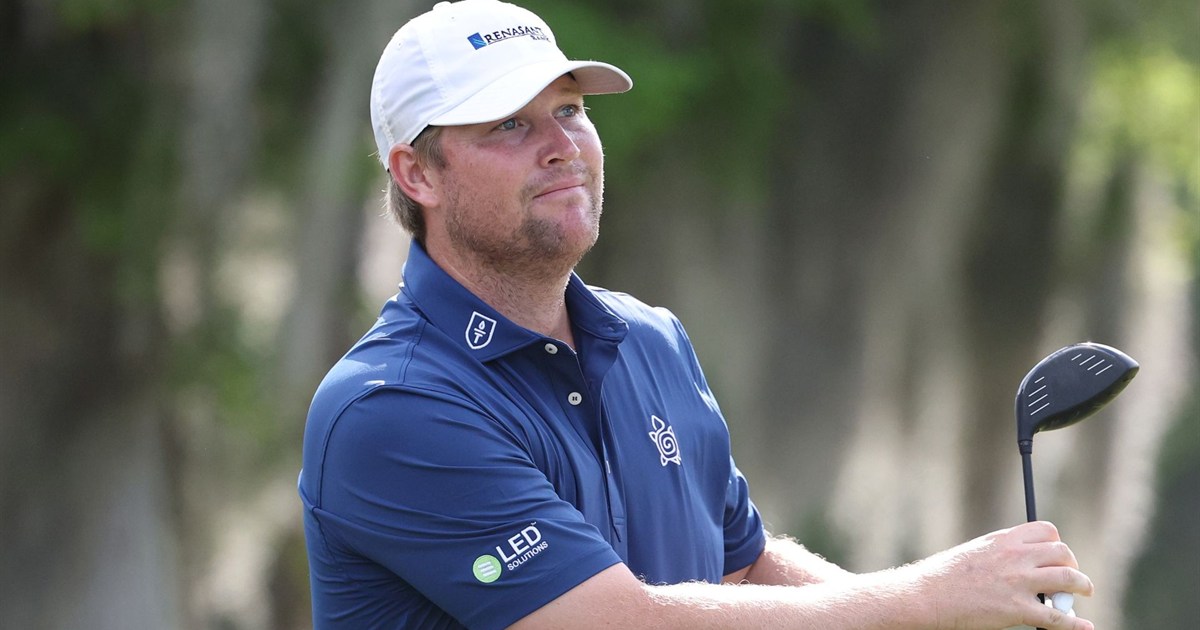
What the PGA Tour confirmed
The Tour's official announcement establishes three central facts: Mullinax violated the anti-doping policy, the finding involved performance-enhancing substances and the sanction lasts six months. The Tour also said he cooperated fully and accepted the suspension. Those are the findings that can be stated without qualification.
The announcement does not name the prohibited substance, say when or where the sample was collected, identify the medication, or disclose Mullinax's medical condition. That missing information matters. It prevents outsiders from independently evaluating the substance's possible sporting effect, but it does not erase the confirmed rule violation or the sanction.
Mullinax says the positive test came from medication
In his statement, Mullinax said he recently used medication for a condition first diagnosed while he was in college and did not seek approval under the Tour's policy. He accepted responsibility for checking the rules and said he had never taken a substance intending to gain a competitive advantage. His most direct summary was brief: "My lack of knowledge is not an excuse."
That distinction is essential to fair coverage. The Tour has confirmed a positive test and violation; it has not accused Mullinax of deliberately trying to cheat. His explanation is his account of how the substance entered his body. The rulebook explains why a lack of intent can coexist with a sanction.
Read Mullinax's complete statement
Statement from Trey Mullinax: pic.twitter.com/Rd5oSHZUnA
— PGA TOUR Communications (@PGATOURComms) July 29, 2026
Why intent and liability are separate
The PGA Tour Anti-Doping Program uses strict liability. Its player guide says a prohibited substance in a player's body constitutes a violation regardless of whether it was used intentionally or unknowingly. That approach is not a judgment that every positive test reflects a plan to enhance performance. It assigns the player responsibility for what enters the body.
The same manual includes a route for necessary medical treatment. A player can apply for a Therapeutic Use Exemption, commonly called a TUE, permitting a banned substance for a certified medical need. An approved exemption can protect a player from a sanction when the covered substance appears in a sample. Mullinax's own statement says he did not seek approval before using the medication.
The career impact is real, even in a quiet season
Mullinax is a PGA Tour winner, having claimed the 2022 Barbasol Championship, but entered 2026 with conditional status after finishing 150th in the previous FedExCup Fall standings. His official Tour results page lists two PGA Tour starts this season and missed cuts in both. Golf Monthly also reported a missed cut in one Korn Ferry Tour appearance.
His January 16, 2027 eligibility date places the return after the opening weeks of the next calendar year. The precise competitive cost will depend on what status and starts are available then. The six-month clock is clear; the shape of his comeback is not.
What the public still needs to know
The biggest unanswered question is the identity of the substance. Without it, the public cannot compare the case with the current prohibited list or assess how the medication relates to the condition Mullinax described. Privacy may limit what can be disclosed about the diagnosis, but naming the substance would add useful transparency to a sanction announced in the name of competitive integrity.
Until more information is released, the responsible conclusion is narrow. Mullinax committed an anti-doping violation and accepted a six-month suspension. He says it resulted from medication used without prior approval and denies any intent to gain an edge. Both parts belong in the same account; neither should be stretched beyond the evidence now available.